This page brings together scientific research and historical evidence demonstrating that homosexuality and trans identities have always existed throughout nature and human history. Every piece of information here is supported by academic, peer-reviewed, and reliable sources.
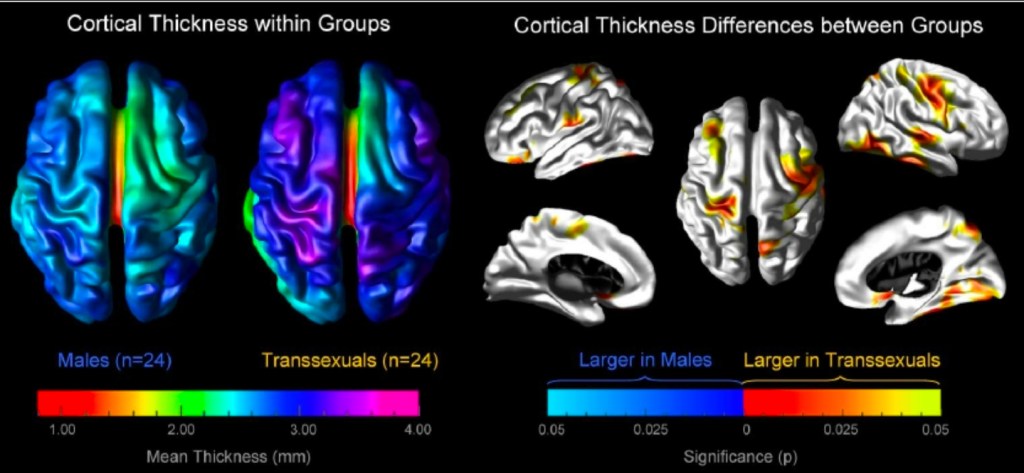
This review summarizes findings from studies examining brain structures in transgender individuals, both before and after hormone therapy. It discusses variations in cortical thickness and white matter, providing evidence that gender identity has measurable neural correlates.
A Review of the Status of Brain StructureResearch in Transsexualism (2016) – Publishedin Cerebral Cortex.
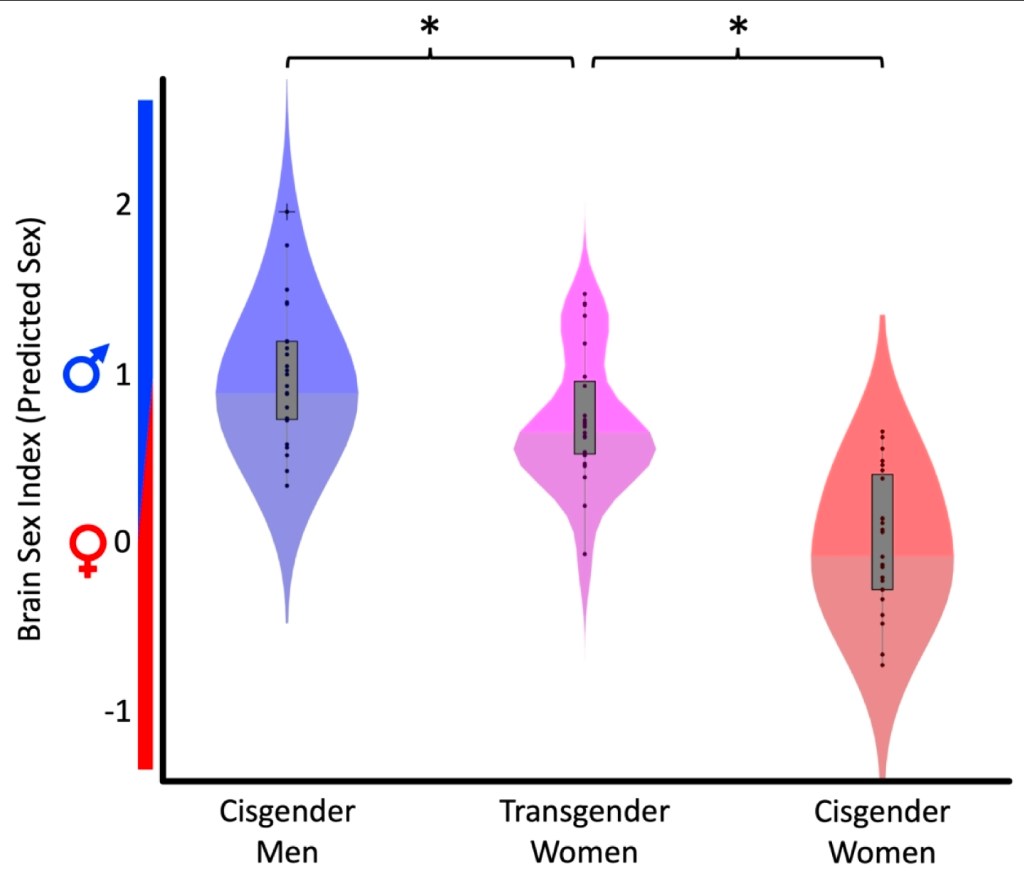
Using structural MRI data, researchers discovered that transgender women are more frequently misclassified in biological sex prediction models. This indicates that their brain structures share similarities with both cisgender men and women, supporting the idea of a unique neuroanatomical profilelinked to gender identity
Biological sex classification with structural MRI data shows increased misclassification in transgender women (2020) – Published in Neuropsychopharmacology.
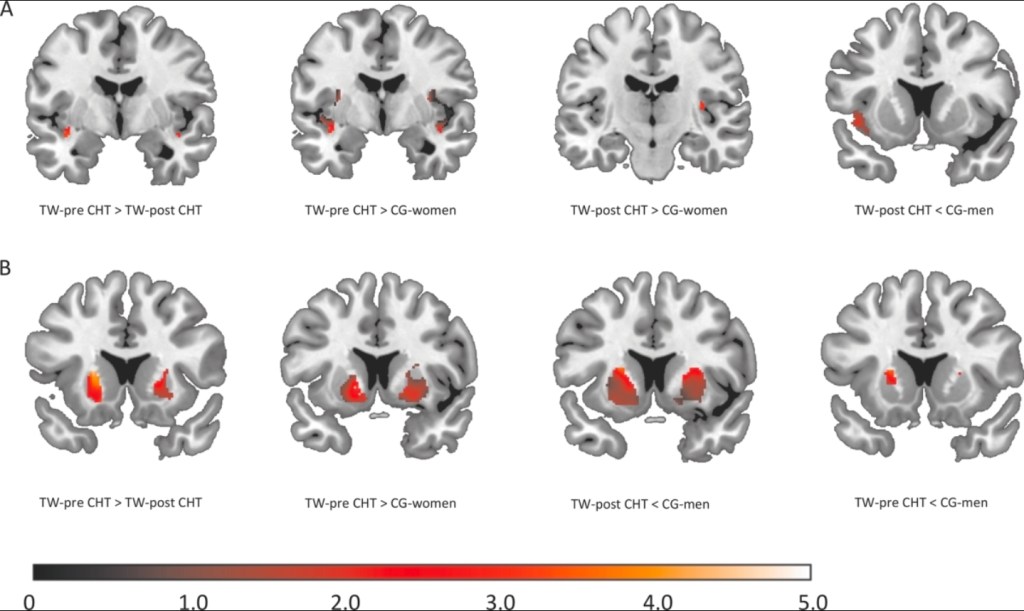
This study found that the brain anatomy of transgender women who had not yet undergone hormone therapy differs from their assigned sex at birth and tends to align with their experienced gender identity. The findings suggest a neurobiological basis for gender identity development.
Brain Sex in Transgender Women Is Shifted towards Gender Identity (2022) – Published in Frontiers in Neuroscience.
Same-sex sexual behaviour among mammals is widely observed, yet seldomly reported: Evidence from an online expert survey
See Baillargeon et al., 2017, Same-sex sexual behaviour among mammals is widely observed. Evidence from an online expert survey.
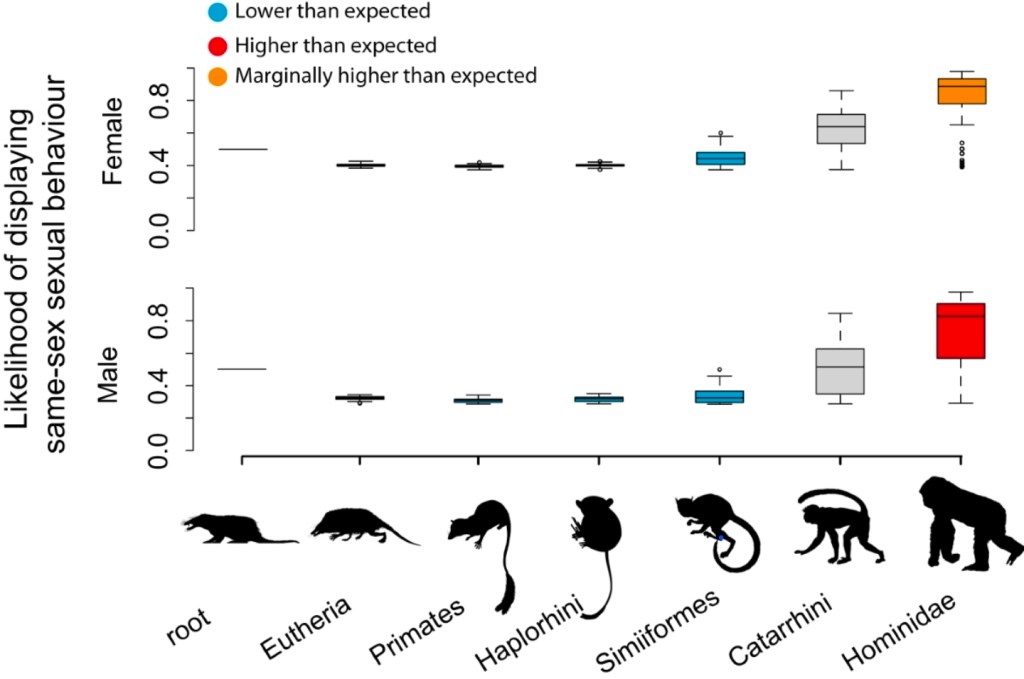
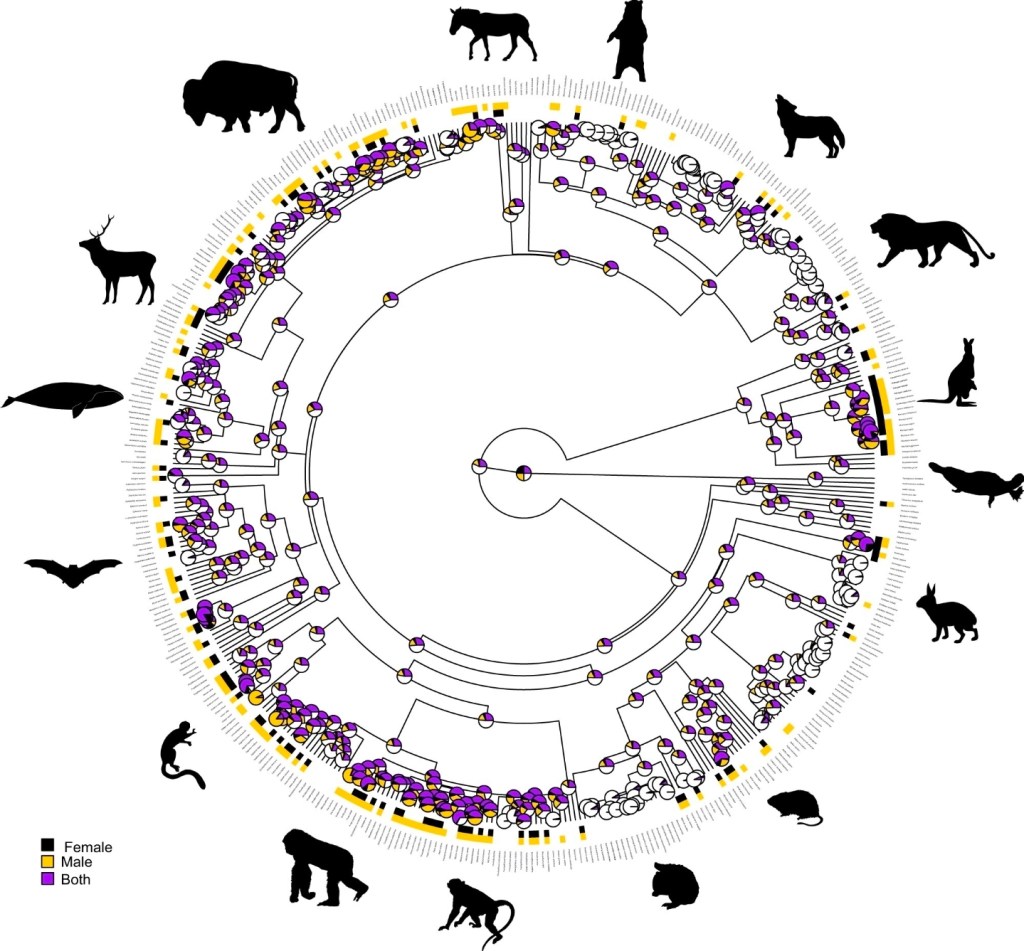
The evolution of same-sex sexual behaviour in mammals
See Bailey & Zuk, 2020, The evolution of same-sex sexual behaviour in mammals, Biological Reviews.
This review discusses how biological and epigenetic factors may contribute to the development of sexual orientation. The authors explore evidence that prenatal hormone exposure, gene expression, and epigenetic markers could influence same-sex attraction in humans and other mammals.
Rice, W. R., Friberg, U., & Gavrilets, S. (2012). The biological basis of human sexual orientation: is there a role for epigenetic mechanisms? Nature Reviews Endocrinology, 8(10), 701-710
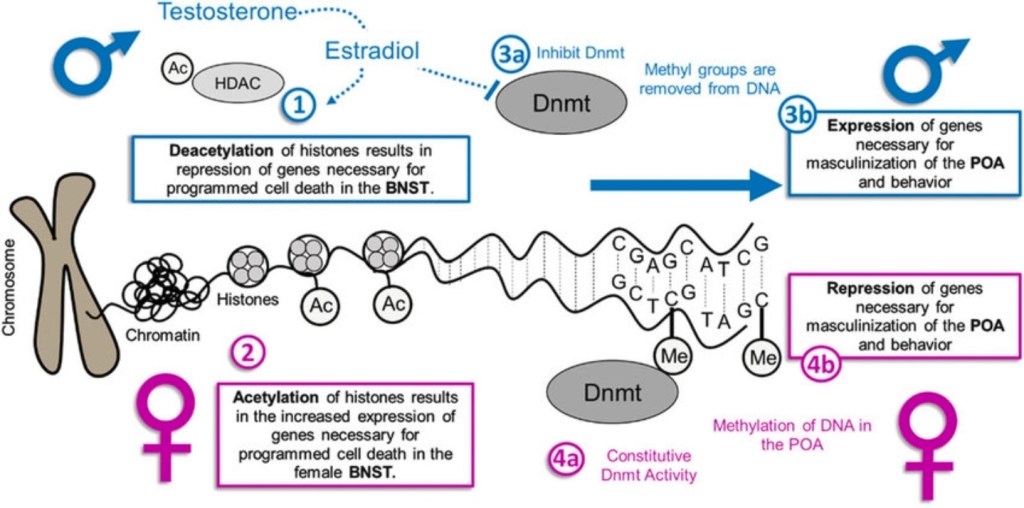
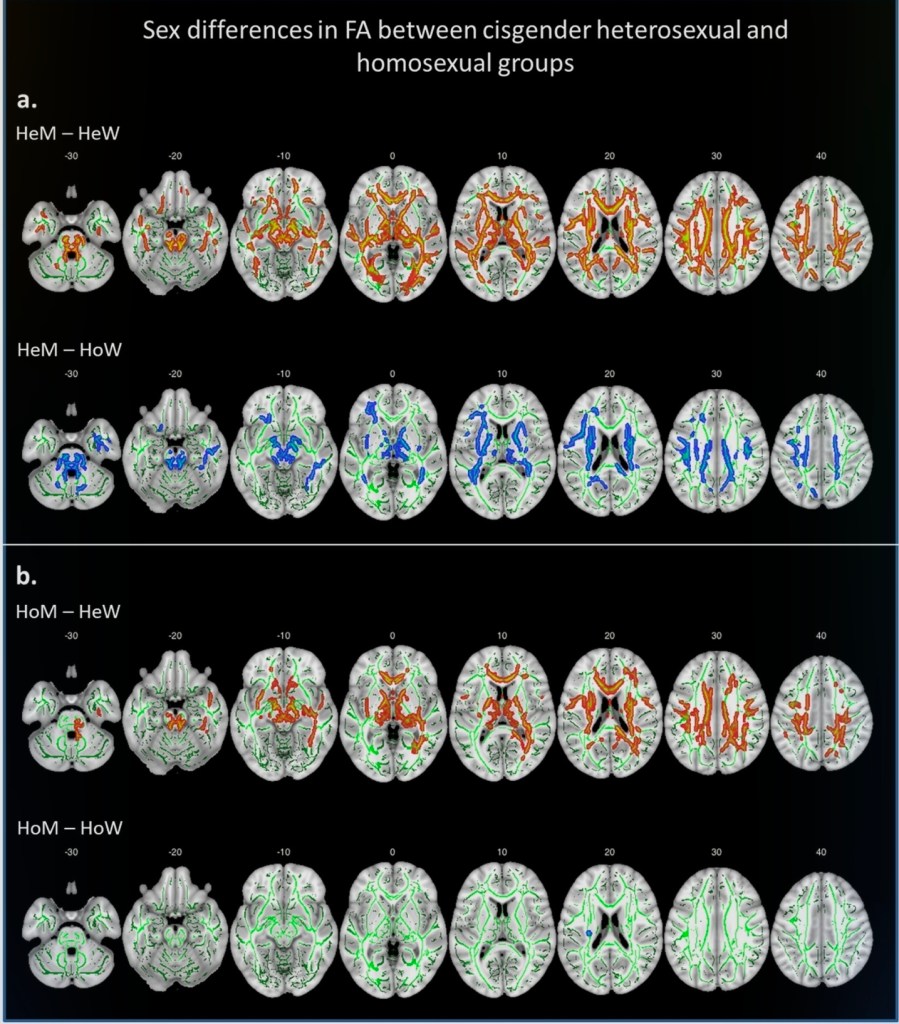
This article reviews neuroscientific researchlinking brain structure, hormone exposure, and genetic influences to gender identity and sexual orientation. It highlights differences observed in specific brain regions of heterosexual, homosexual, and transgender individuals.
Bakker, J., & Brock, O. (2020). Neurobiology of gender identity and sexual orientation. Frontiersin Neuroendocrinology, 59, 100859.
